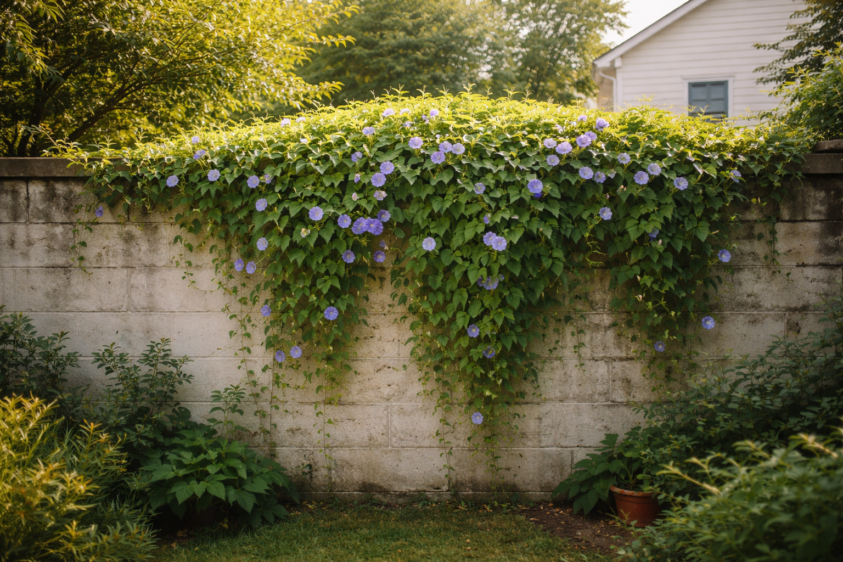
Ilustración: Nido verde por J.S.B.
POEMA EN EL QUE LA POETA HACE DE VENTRÍLOCUA DEL AMADO
Traducción: J.S.B.
Perdón, me llevé el auto al aeropuerto más cercano,
en vez del que está más lejos del huracán que se viene.
En el estacionamiento de mi amor por vos, doy vueltas
en silencio, busco un lugar para dejar las sugerencias del día,
que no quede tan lejos de tu kiosco, parado, mudo
y listo para darme el pequeño papel que reza lo siento
no puedo decirte lo que quiero. Así que aquí estamos, casi siempre
medio arrepentidos, que es una pequeña cortesía, dos púlsares
abanicando la luz, uno al otro, destellos detectables años después.
¿Por qué no tomás este atado de narcisos? ¿Cuándo los narcisos
se volvieron tenedores sucios? Perdón por lo de mis medias.
¿Ves?, ahí vamos de nuevo. En el patio, la enredadera
del terreno de atrás, trepó por el cerco y floreció
ahí, un gran nido verde a casi dos metros del suelo.
La cortaría, pero sostenés las tijeras de podar contra
tu pelo. Decís que en tu pelo hay campanitas
y que te gustaría conservar las campanitas, si es posible.
Ni siquiera sé bien qué son las campanitas; mi madre
es una excelente jardinera pero yo no heredé
ni su memoria para los colores ni tu catálogo de tendencias,
y ya es demasiado tarde, perdón por eso. Es difícil mantenerte
en este haz de luz cuando te alejas tres pasos y te quedás sentada
en la silla más cercana, una mano sobre cada rodilla,
como un monumento. Es difícil sentir tu cuerpo contra
el mío cuando dormimos, los deseos que trae, lejanos y cansados
como un animal que caminó demasiado en un clima inhóspito.
Estoy hasta acá de agua, pero como la sed es una forma
de sufrimiento, no la desearía sobre vos. En cambio,
trabajaré para abrirme paso a través de tus sueños, sé
que son campos de nieve interminables. Esperaré en el charco
del deshielo. Quizás, algún día, vengas hacia mí con la piel
a punto de quebrarse por el frío que tanto amás. Quizás ese día
podamos empezar a pensar juntos en las estaciones, en cómo
la primavera también puede llegar con precisión, si la dejás.
POEM IN WHICH THE POET VENTRILOQUIZES THE BELOVED
Kimberly Quiogue Andrews
I’m sorry I’m taking the car to the airport that is closer to,
rather than farther away from, the oncoming hurricane.
In the parking garage of my love for you, I circle around
quietly, looking for a space to put the day’s best guesses,
one not too far from the kiosk of you, standing mute and
ready to hand me a small slip of paper that reads I’m sorry
I can’t tell you what I want. So we’re both mildly apologetic
all the time, which is a small courtesy, two pulsars fanning
light at one another in bursts detectable years later. Why
won’t you take this bundle of daffodils. Why have the
daffodils turned into dirty forks. I’m sorry about my socks.
See, there I go again. In the backyard, a vine from next
door has crawled up and over the fence and has flourished
there, a great nest of green six feet off the ground. I’d
trim it, but you’re holding the hedge clippers against your
hair. You’re saying that your hair is morning glories and
you’d like to keep the morning glories if possible. I don’t
even know what morning glories are exactly; my mother
is an excellent gardener but I have neither her memory for
color nor your cataloguing tendencies and it’s late in the day
and I’m sorry for that. It’s difficult to hold you in this
shaft of light when you keep taking three steps away and
sitting down in the nearest chair, one hand on each knee
like a monument. It’s difficult to feel your body against
my side in sleep, the desires it holds distant and tired,
like an animal that has walked too far in an inhospitable
climate. I am full of water but as thirst is a form of
suffering, I would not wish it upon you. Instead, I will
work my way through your dreaming, which I know is of
endless snow fields. I will wait in this puddle of melt.
Perhaps, one day, you will come to me with your skin
near to brittle from the cold you love so much. Perhaps on
that day we can begin to think together about the seasons,
about how spring can also arrive in precision, if you let it.
SOBRE LA AUTORA
 KIMBERLY QUIOGUE ANDREWS es una poeta y crítica literaria estadounidense. Es autora de dos libros de poesía: A Brief History of Fruit (University of Akron Press, 2020), ganador del Akron Prize for Poetry, y BETWEEN (Finishing Line Press, 2018), publicado dentro de la serie New Women’s Voices. También publicó el libro de no ficción The Academic Avant-Garde (Johns Hopkins University Press, 2023). Andrews reside en territorio no cedido de la Nación Originaria Anishinaabe Algonquin.
Copyright © 2026 by Kimberly Quiogue Andrews. Foto de Kimberly Andrews por Curtis Perry.






Sé el primero en comentar